


A Reflection on Deb’s Journey
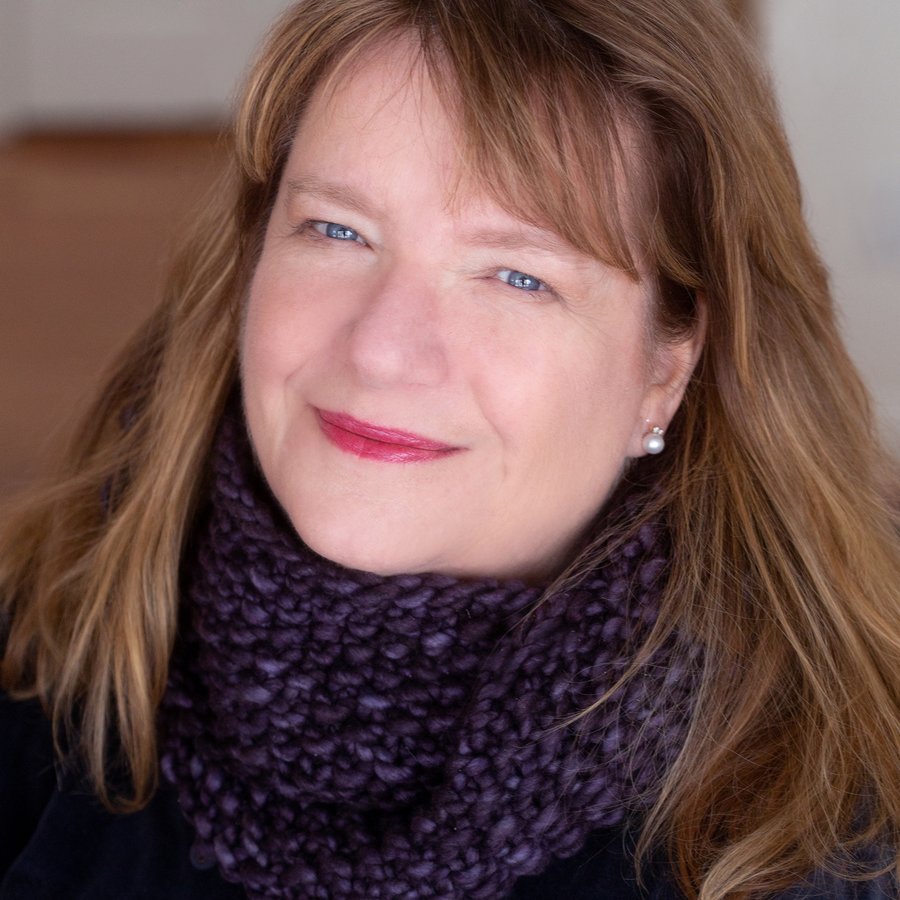
I’ve known Deb for years. She’s the kind of person who shows up with quiet strength, artistic hands, and a heart that carries more than it ever lets on. We’ve talked about life, our kids, and art. But I’ll never forget the day I saw her husband David—before they found a better treatment plan—and didn’t recognize him.
He was so frail. So unlike the David I remembered—vibrant, quick-witted, full of life. He was a shell of that man, his eyes vacant, his body wasting away. At first, I wasn’t even sure it was him.
Deb, on the other hand, never gave up. When others might have. When the options looked grim. When the medical world handed her a laundry list of powerful narcotics and a foggy future, she kept searching. Her determination wasn’t loud—it was persistent. And it paid off.
What Most People Don’t Understand About Pain, Medication, and Dependence
One of the most misunderstood parts of Deb and David’s journey—and the journeys of so many others—is the difference between addiction and dependence.
David was on a cocktail of medications that included Oxycontin, fentanyl patches, and oxycodone. For three years, Deb says, “He really was just so weak and out of it… down to 115 pounds from his normal 160. He was just wasting away.” She kept asking, “What else can I do?” because she knew in her gut—this wasn’t sustainable. But David wasn’t an addict. He was dependent.
Addiction is marked by compulsive behavior. It hijacks the brain’s reward system. Dependence, on the other hand, can happen even under a doctor’s care. It’s a physical reliance—where the body adjusts to the presence of a drug and suffers withdrawal without it. David needed the medication to function, to not scream from pain. But he didn’t crave it. He didn’t seek more. He just wanted to live.
And that’s a distinction we need to understand—especially as we navigate conversations around opioids, pain management, and chronic illness.
The Turning Point: A New Path Forward
After years of trial and error, desperation, and Google rabbit holes, Deb stumbled upon a clinic at Dartmouth-Hitchcock. It took 10 months to get in.
But it was worth every moment.
They were introduced to something called low-dose naltrexone (LDN)—a non-narcotic, compounded medication. Only two other people in the country were on it at the time. But Deb and David were willing to try anything. He had to get off the narcotics first—cold, with almost no guidance. Deb described the withdrawal like this:
“He was having convulsions. We didn’t know what to do. Then I found someone online—a conversation with a caregiver—and he said, ‘He’ll be okay in another two hours.’ That person got me through.”
That’s how thin the support was. That’s how high the stakes were.
But when David started the LDN, everything began to shift. “Two weeks later,” Deb said, “he felt like he was regaining his life.” Not pain-free—but present. Not numb—but living.
A New Kind of Life, and the Art That Holds It
Today, David plays keyboard again—only with one hand, but still music. Deb walks, cooks healthy meals, and paints again. Their life is quieter. Slower. But it’s theirs. Not the one they planned—but the one they’ve rebuilt with grace.
“We’re enjoying the fruits of our labor,” Deb told me. “We live in a beautiful part of Vermont. Our life today is just… relaxed.”
I think of the canvas Deb paints on. The brushstrokes she makes. And how much of her story isn’t in the paint—it’s in the quiet resilience behind it.
It’s in the choices she made when no one was watching. It’s in the willingness to keep hoping when hope was thin. And it’s in the love that shows up, every single day, for someone you may not recognize anymore, but who still needs you just the same.
Final Thoughts
If you’ve ever found yourself judging someone for the medications they’re on, or how long they’ve been on them—pause. Listen a little longer. Ask more questions.
Behind every bottle is a human trying to survive. Behind every difficult choice is a caregiver making the best decision they can.
And sometimes, behind the brushstrokes on a canvas, is a story too big for paint.
Thank you, Deb. For your art. For your fight. And for letting us in
Love, Heather