

For many parents today, the term neurodivergent is familiar. Schools use it, doctors reference it, and society is slowly—very slowly—learning what it means.
But when my child was growing up, that word didn’t exist in the conversation.
There were no online communities, no easy checklists, no “YouTube moms of neurodivergent kids,” no podcasts telling you that your child wasn’t broken—they were simply wired differently.
There was just me.
My gut.
And a system that didn’t quite know what to do with a child like mine.
Teaching the Schools How to Teach My Child
I remember sitting across from teachers and administrators and realizing something important:
They didn’t understand my child—but I did.
So instead of waiting for the system to adapt, I started teaching the school how to teach him.
Not in an aggressive way.
Not in a “you’re doing it wrong” way.
But in a collaborative, “let me show you who he is” way.
There were moments I questioned myself.
Moments I wondered if I was helping or making things harder.
Moments I thought, Is this my job? Or theirs?
But every time I looked at my child, the answer was simple:
If I didn’t advocate for him, who would?
When Labels Didn’t Fit… or Even Exist
Back then, labels were often rigid and lifelong.
Accepting one meant accepting its shadow.
Rejecting one meant possibly losing services he needed.
I refused to place my child into a box he might have to carry forever—especially one that didn’t fully describe him.
Because “raising a complex child” isn’t about finding the perfect label.
It’s about understanding the whole child, even when systems don’t.
So we walked the middle path:
support without confinement, structure without imposed identity.
Was it the right choice? I can’t say for sure. But it was the choice that aligned with our instincts and our love.
A System That’s Better Today—but Still Not “There”
Today, the world is more aware.
More open.
More willing to say, “Different doesn’t mean wrong.”
But we’re not done.
Not even close.
Parents are still fighting for services.
Kids are still slipping through cracks.
And systems are still learning how to see the child first and the diagnosis second.
That’s why conversations like Michelle’s matter so much.
Her story—and so many others like it—remind us that the journey isn’t linear.
It’s layered.
Messy.
Human.
My Child Is Now a Thriving Adult—Still Complex, Still Growing
And here’s the part that makes my heart swell:
My child is now a thriving adult.
Still complex.
Still growing.
He is full of curiosity and self-awareness.
He still asks questions about who he is, how he learns, and where he fits. But now, he gets to decide.
As adults, we had a conversation I will never forget.
I told them:
“You didn’t need labels to define you as a child.
You get to decide who you are now.”
And they understood.
They understood why I advocated the way I did.
Why I resisted rigid categorization.
Why I fought so hard for a tailored approach, long before individualized learning and neurodiversity were common concepts.
We may never know if it was the perfect choice.
But it was the right choice for us, and we both honor that today.
Where We Go from Here
Raising a complex child taught me more than any book or training ever could.
It taught me to listen.
To question.
To trust my intuition even when the world disagreed.
And to give my child not just support—but space to become who they are meant to be.
And if you are raising a complex kid today—
you are not alone.
You are not behind.
And you are not doing it wrong.
Our children are not puzzles to be solved.
They are humans to be understood.
All Love,
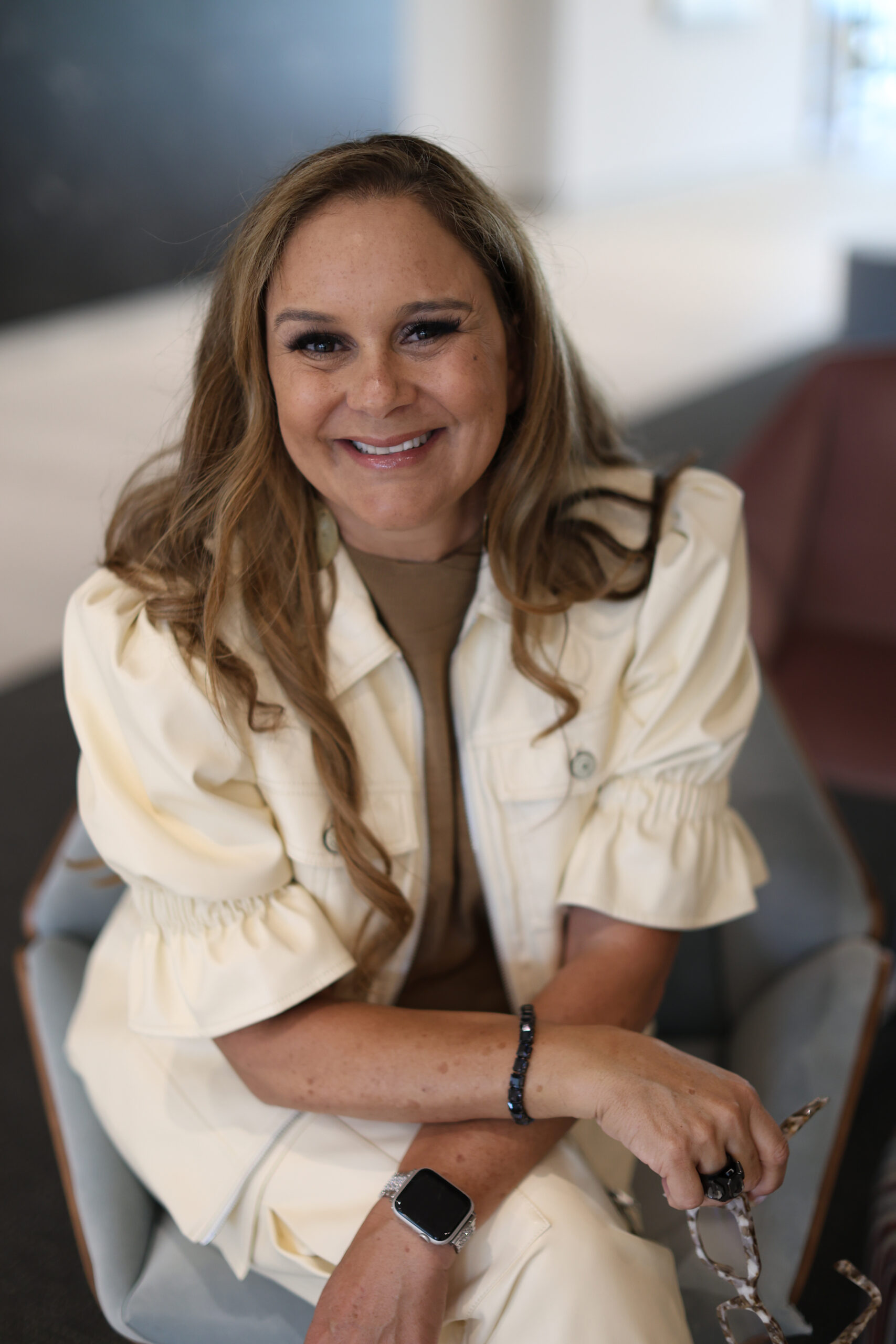
Heather, the mom of a complex child who grew into an amazing adult