
Season Four · Episode Twenty-One · Saul Bennenfield
What Justice Teaches About Humanity
Accountability, Second Chances and Seeing the Whole Person
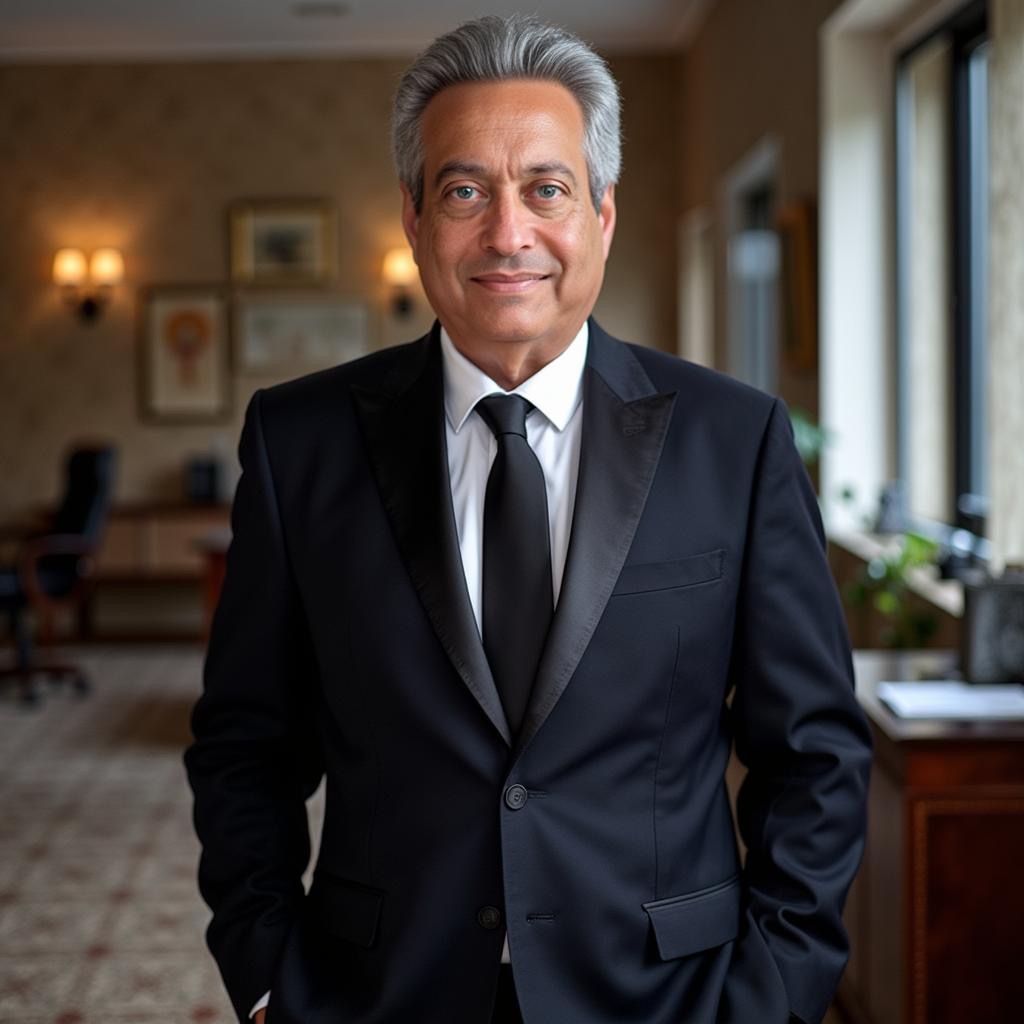
Can accountability exist without erasing someone’s humanity?
Saul Bennenfield remembers deciding in high school that he wanted to become a lawyer after watching a friend face an arrest he believed was unfair. He stayed, advocated and discovered a desire to stand beside people when the rest of the world had already formed an opinion.
Decades as both a prosecutor and criminal defense attorney complicated Saul’s early understanding of justice. Some people are innocent, some are not, and not every attempt to help produces change. His story asks whether consequences and compassion can occupy the same room.
Before · The change · What came next
Before
As a teenager, Saul saw justice in relatively simple terms: someone was being treated unfairly, so help them. That instinct carried him through law school and into a career centered on advocacy.
The change
Time inside the justice system replaced certainty with complexity. Saul encountered the limits of rescue and learned that defending a person does not require defending every choice they made.
What came next
Saul’s work became grounded in individualized justice, careful listening and the belief that a person is more than the worst moment attached to their name. Experience also taught him that compassion needs honesty, accountability and boundaries.
“Everyone is entitled to an individualized justice.”
Saul Bennenfield
Listen to Saul Bennenfield’s story
What Justice Teaches About Humanity premieres February 23, 2027. Listening links will be added when the episode is released.