
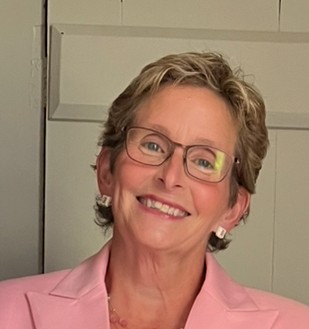
Morgan Scafe’s Story and the Reality of Living with Complex PTSD
One of the things that stayed with me most after recording Morgan Scafe’s story was how different survival looks from what many people imagine.
When we hear stories about trauma, we often want a resolution. We want to believe that once the truth is told, justice is served, therapy happens, and healing follows. We want the ending where everything is finally okay.
Morgan’s story challenged that idea.
In Part One of Carpenter Road, we heard about a little girl who desperately wanted someone to notice what was happening to her. She wanted someone to ask the right questions. She wanted someone to know the truth. At the same time, she was terrified of what might happen if they did.
That contradiction broke my heart because it reveals something many survivors understand all too well. Silence is not always about keeping a secret. Sometimes silence is survival.
Then came Part Two.
Morgan did what so many survivors spend years trying to find the courage to do. She told the truth, reported the abuse. She endured a courtroom trial, faced the person who had hurt her. And she received a conviction.
By most standards, that should have been the ending.
But it wasn’t.
What struck me most was Morgan’s honesty about what came next. Decades of therapy. Medical complications. Triggers. Body memories. Complex PTSD. The daily work of managing the impact of something that happened long ago but still echoes through the present.
I think many people misunderstand trauma because they see it as an event.
For survivors, especially survivors of childhood trauma, it often becomes something much larger than that. Trauma can shape how safe you feel in the world. It can influence relationships, trust, anxiety, self-worth, and even physical health.
Complex PTSD is not simply remembering something painful that happened years ago. It is a nervous system that learned to survive under conditions that no child should ever have to endure. Even when the danger is gone, the body can continue reacting as if it is still trying to stay safe.
That does not mean healing is impossible.
What Morgan taught me is that healing is not always about making trauma disappear. Sometimes healing is about understanding it, about building a life around it. Sometimes it is about learning how to live beside the past instead of spending all your energy trying to outrun it.
As someone who has spoken with many survivors through this podcast, I have learned that healing rarely looks like a straight line. It looks like good days and hard days, it looks like progress and setbacks. It looks like courage showing up in ordinary moments that most people never see.
Morgan shared a quote near the end of our conversation that has stayed with me ever since:
“Don’t set yourself on fire to keep someone else warm.”
For most of her childhood, survival meant protecting other people’s comfort while carrying an unbearable burden herself.
Her story reminds us that healing sometimes begins when we stop carrying responsibilities that never belonged to us in the first place.
Morgan’s story is difficult. It is heartbreaking. It is also deeply human.
Most of all, it reminds us that surviving childhood trauma is not something a person finishes. It is something many people learn to navigate every single day.
The trauma may not disappear, the memories may not disappear, the impact may not disappear, but people change.
They adapt, rebuild, find meaning, find connection, and somehow, despite everything, they keep moving forward.
That is what stayed with me after Carpenter Road.
Not that Morgan was healed.
But that she kept choosing to live.


One response to “Morgan Scafe’s Story and the Reality of Living with Complex PTSD”
Great content! Keep up the good work!